
Start a Chapter
Open to schools and organizations. Bring world-class STEM education to your community — with a proven curriculum, competition access, and a regional network behind you from day one.
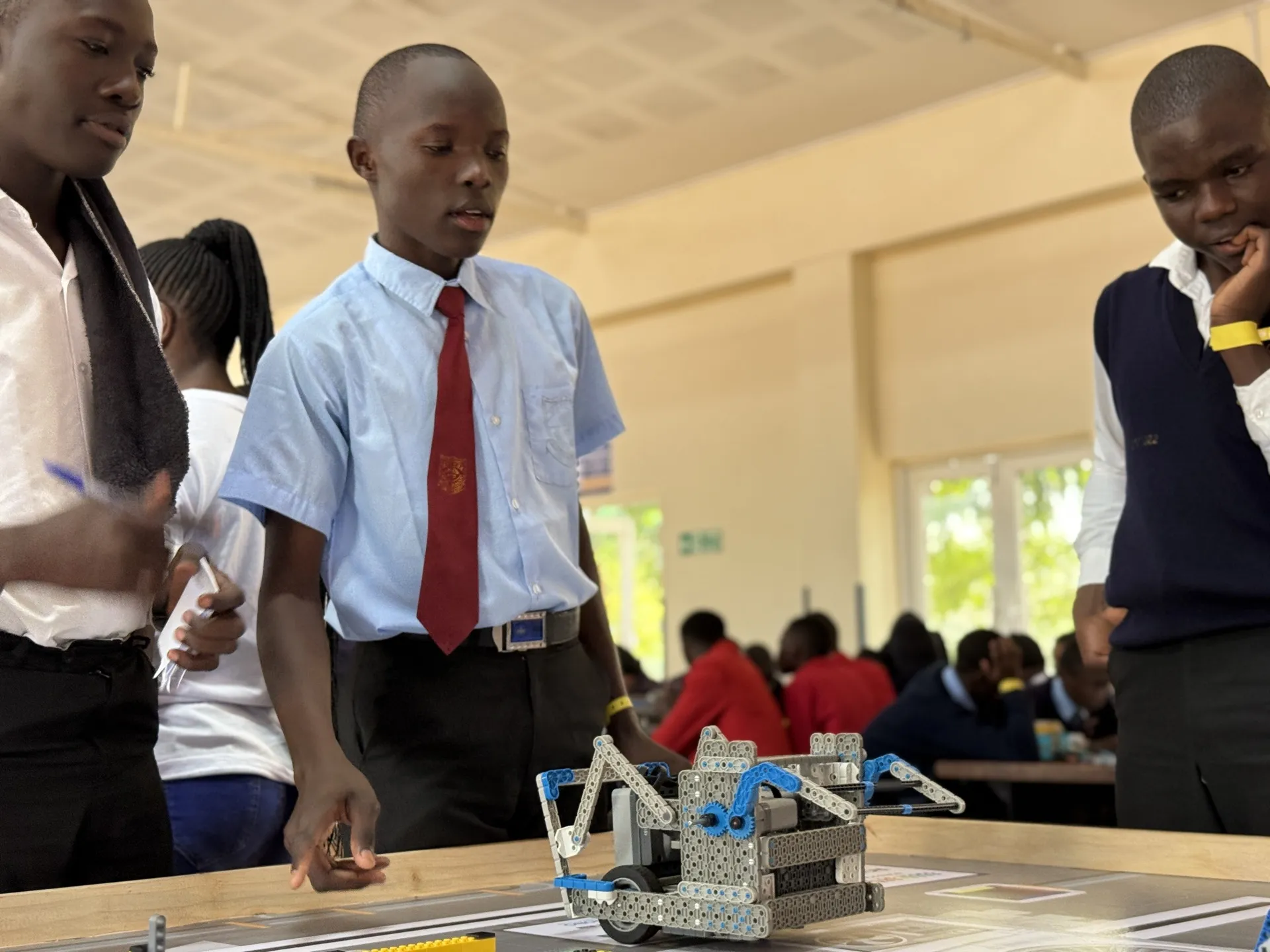
What a Chapter Looks Like
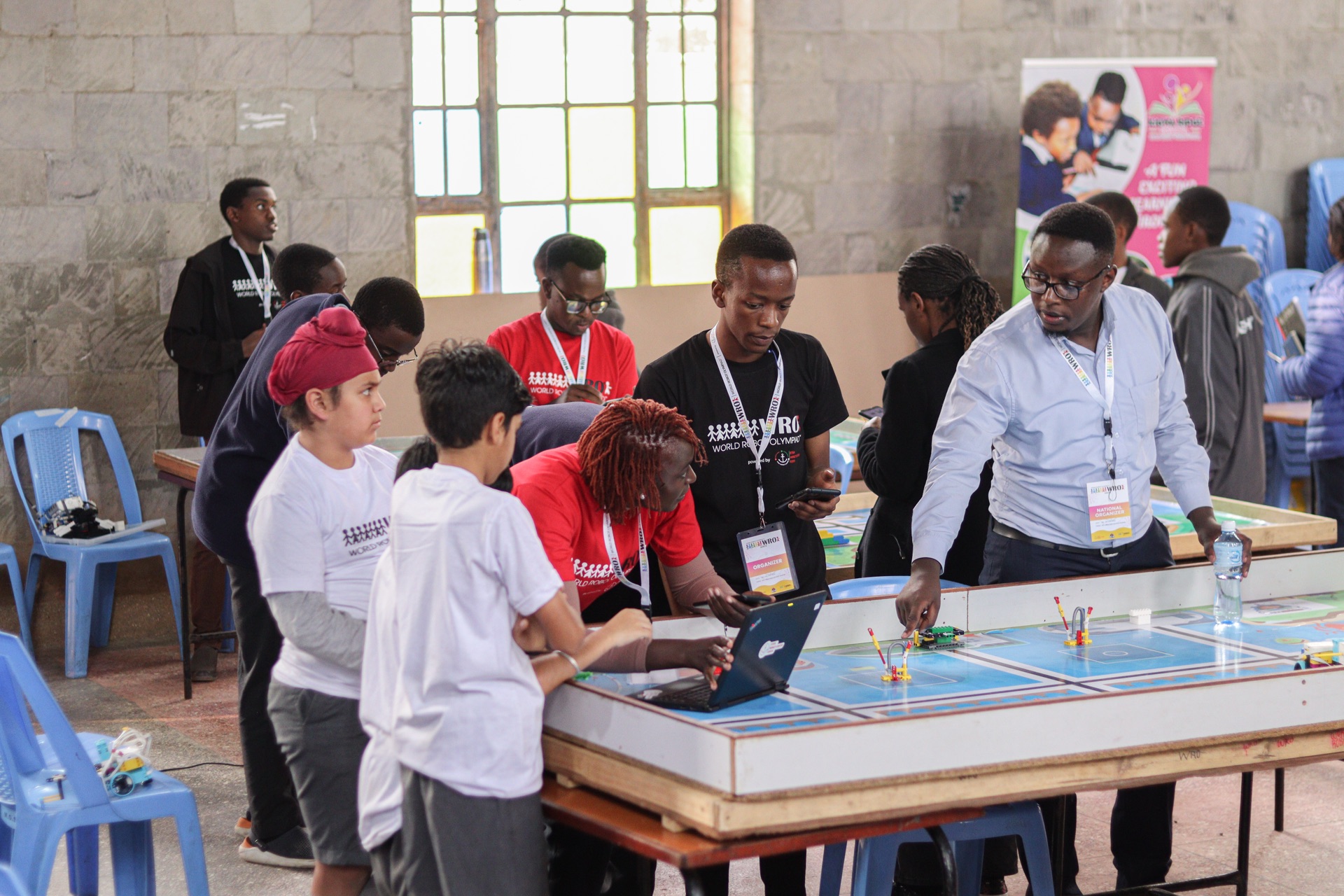
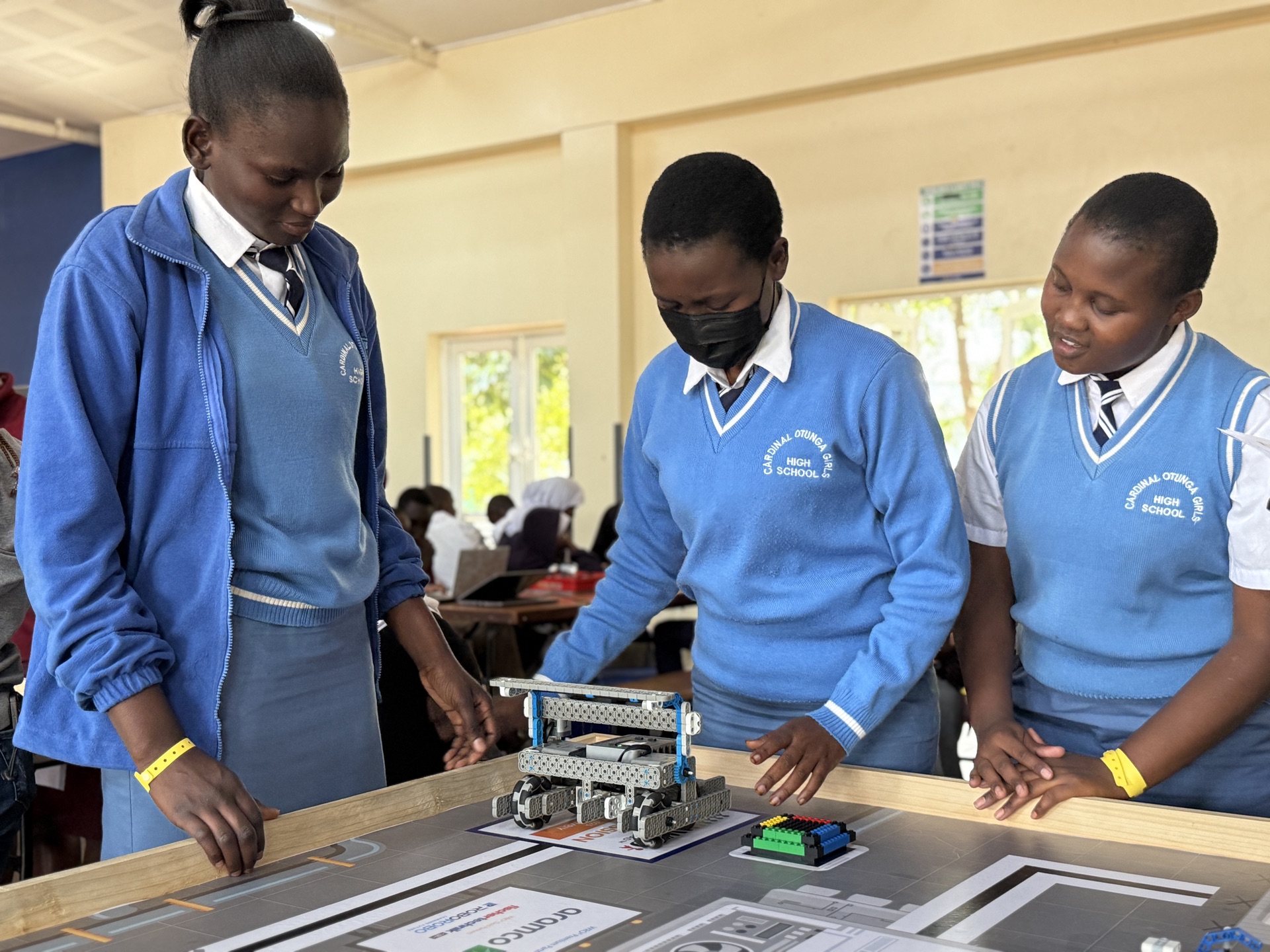
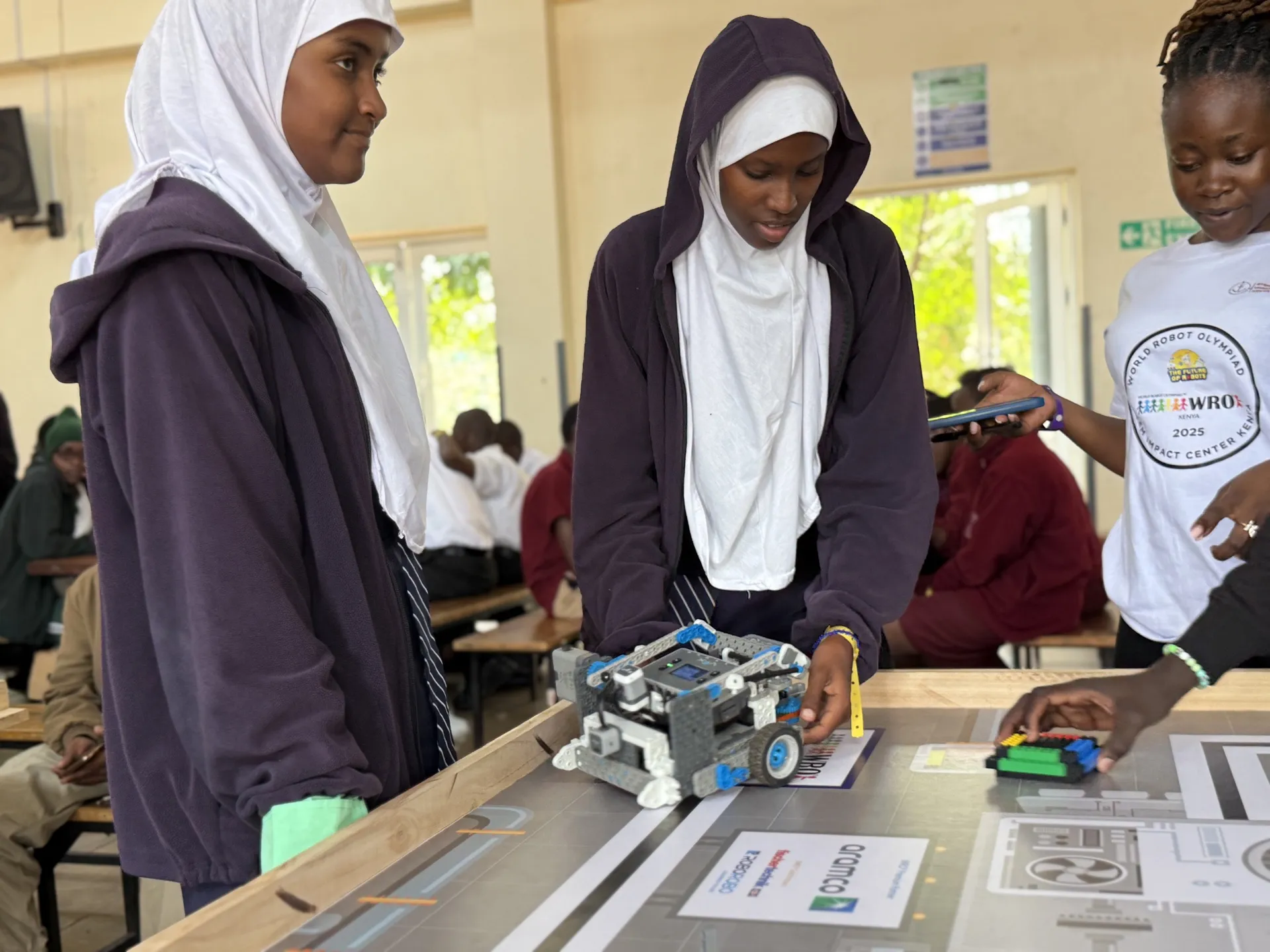
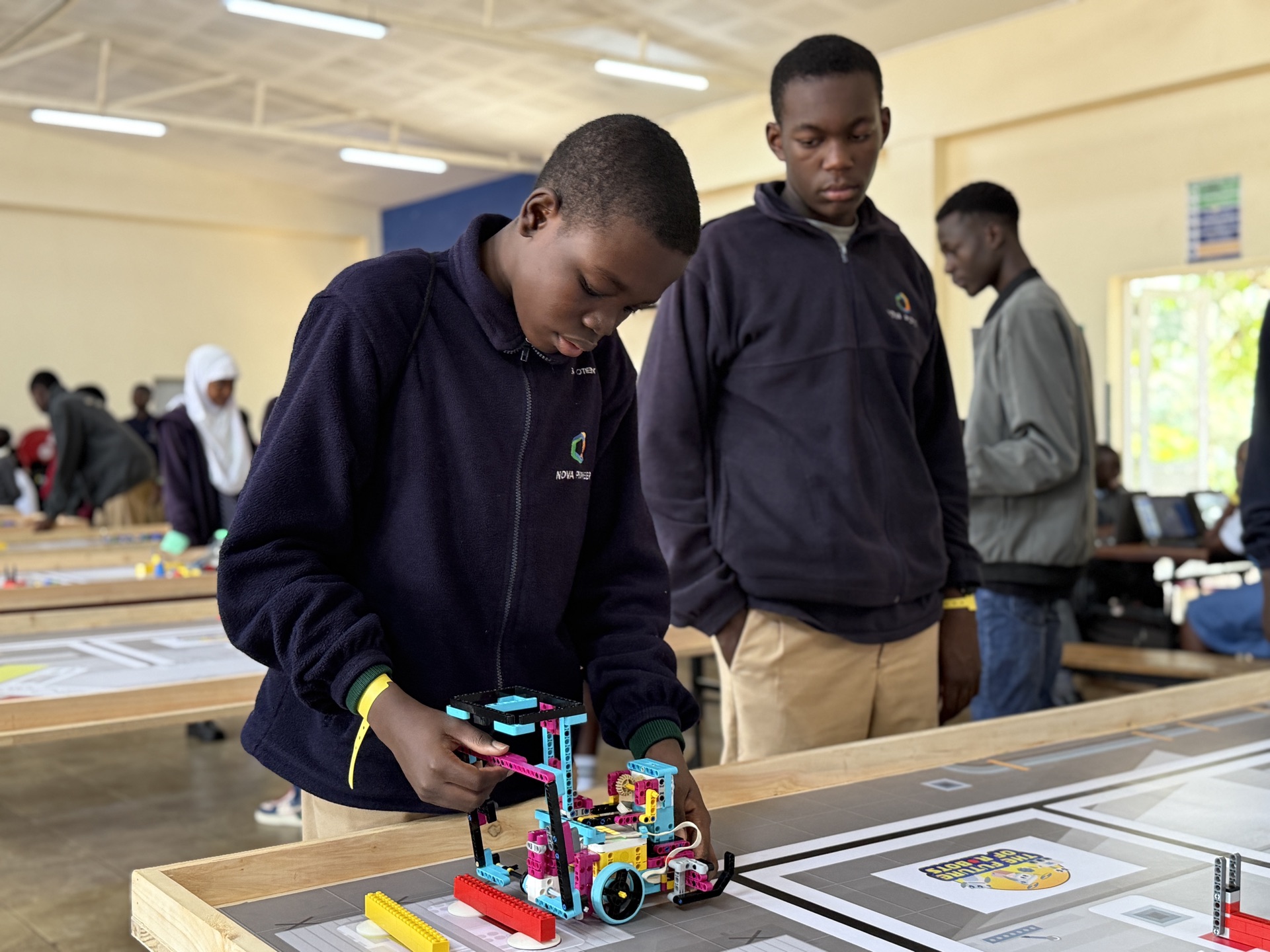
Kenya is run directly by SIC rather than under a chapter licence, but it is where the curriculum, the trainer pathway and the competition circuit were built and proved. A chapter inherits all three ready-made — that is the whole point of the model. These are Kenya's numbers after five years.
Chapter vs Starting Independently
Everything you would have to build alone — we bring ready-made.
Two Paths. One Network.
Schools
Primary · Secondary · University
- Programs run as co-curricular or after-school activities — no timetable disruption
- Students earn SIC Africa certificates and competition medals
- Working toward formal credit recognition with national education ministries
- STEM teacher gets certified as a trainer — builds permanent school capacity
- Competitions give the school external visibility and recruitment appeal
NGOs & Organizations
NGOs · CBOs · Education Foundations · Social Enterprises
- Immediate credibility with schools — SIC Africa brand opens doors faster
- Co-grant eligibility from day one — listed in SIC Africa donor reports
- Operate across multiple schools and communities within your area
- Revenue model flexibility — school fees, grants, or co-funding
- Join a regional peer network of STEM-focused organizations
What is a Chapter?
A chapter is a local affiliate — an organization or school that licenses the SIC Africa brand, curriculum, and program standards. You run programs under your own structure; we provide the frameworks, training, and network.
This is an affiliate model — not a branch. That means you retain full legal independence. SIC Africa does not register directly in partner countries; the local chapter is the legal operator. This protects both parties and makes compliance far simpler.
No exclusivity restrictions. Multiple chapters can operate in the same city or country — a school chapter and an NGO chapter can both serve their communities under the SIC Africa banner without conflict.
What You Get
- Right to operate under the "STEM Impact Center Africa — [Country]" brand
- Full curriculum library: robotics, coding, AI, Girls in STEM
- Trainer certification pathway and onboarding support
- Entry to STEAM Maker Faire Africa — Chapter Showcase through to the continental final in Nairobi
- Discounted STEM resources and equipment through negotiated supplier rates
- The competition toolkit: missions, rubrics, judging packs and certificates
- Dedicated chapter support — mentorship, troubleshooting, and quarterly check-ins
- Mentorship from the Kenya flagship team
- Inclusion in regional events, donor reports, and global visibility
What You Commit To
- Keep teaching year-round — the schedule is yours, the annual number is not
- Reach at least 200 learners a year across at least 3 partner schools
- Meet SIC Africa quality standards — trainer ratios, curriculum fidelity, safeguarding
- Screen and certify your trainers before launching, and keep certification current
- Submit quarterly impact reports (students, attendance, outcomes)
- Annual renewal of the affiliation agreement
Memorandum of Understanding (MOU)
Covers the relationship: brand license, duration, termination, and mutual obligations between SIC Africa and your organization.
Program Delivery Agreement
Covers the standards: curriculum fidelity, trainer certification, reporting cadence, quality audits, and impact data collection.
What Chapters Get Access To
Resources, competitions, and support that independent organizations cannot easily access on their own.
Discounted STEM Resources
- Negotiated rates on LEGO Education, VEX IQ, and Arduino kits — unavailable to independent buyers
- Bulk purchasing coordination across chapters to reduce per-unit cost
- Approved equipment list with sourcing guidance for in-country procurement
- Access to the SIC Africa resource library — lesson packs, project files, printed materials
Competition Access
- STEAM Maker Faire Africa — the network's own competition, Chapter Showcase through to the continental final in Nairobi
- Host your own Chapter Showcase under the event brand, at every band
- The competition toolkit — missions, rubrics, judging packs and certificates
- Accredited judges drawn from your own certified trainers
- Regional Qualifier hosting at Established, National Maker Faire hosting at Anchor
- Chapter Showcase entry is free; national entry is $20 a team and the final is free to qualifiers
- Invitation letters and visa support for travel to the Nairobi final, plus a contribution from the Competition Fund
Ongoing Support
- Dedicated chapter mentor — a named contact at SIC Africa for questions and strategy
- Quarterly check-in calls with structured review of cohort performance and challenges
- Access to the trainer community across all four countries (Slack + WhatsApp)
- Annual site visit and quality assurance review — support, not just audit
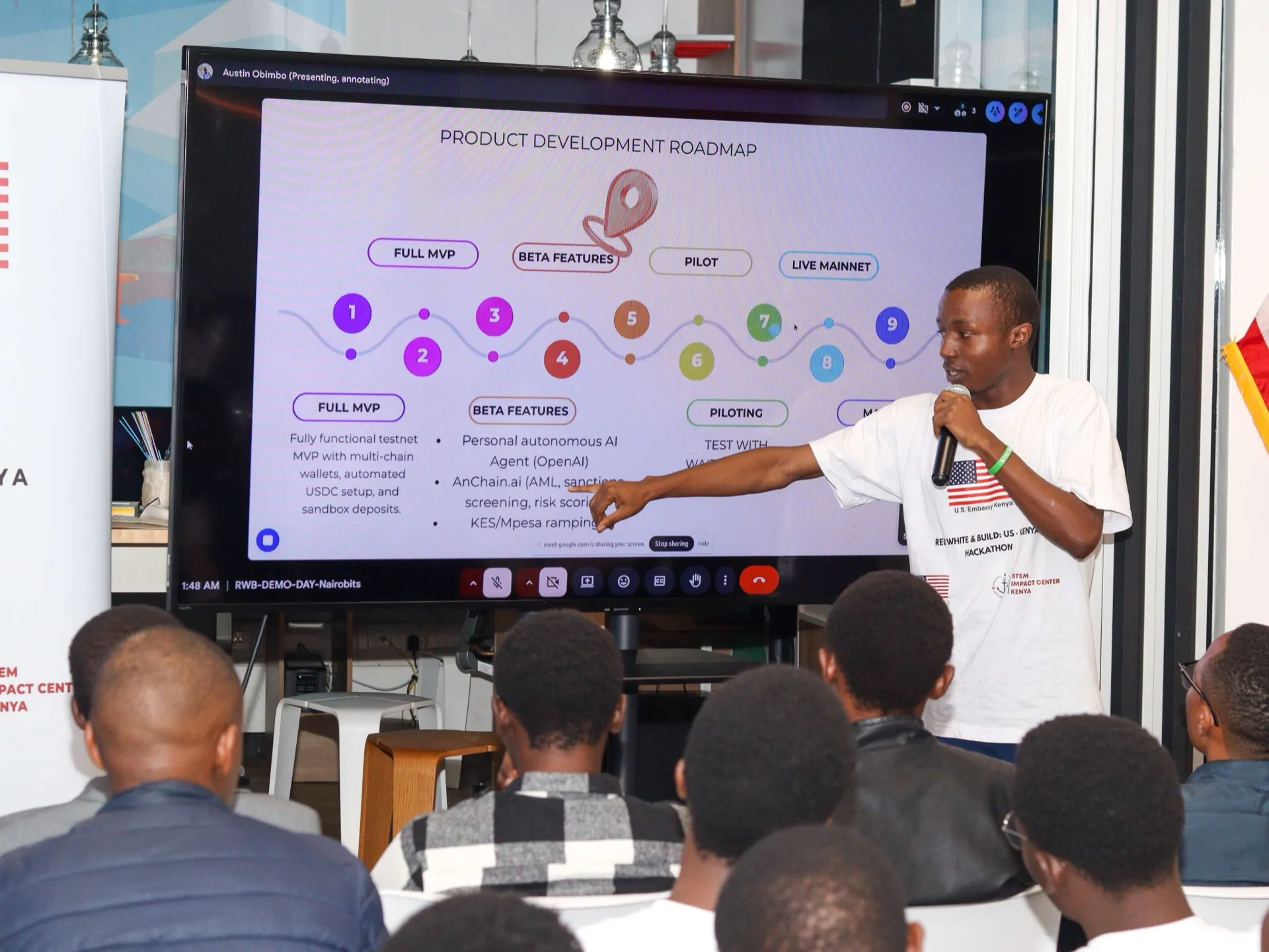
Ready to bring this to your school or community?
The application takes 20 minutes. We respond to every applicant within 2 weeks.
Start Your ApplicationChapter Launch Sequence
You start teaching in month 4. Registration, where it applies at all, runs alongside rather than blocking you.
Partner Vetting
4–6 weeksWe review your organization's legal status, leadership, track record, school access and financial capacity, and complete background checks on the people who will work with children.
MOU Signing
1–2 weeksA Memorandum of Understanding covering brand licensing, curriculum access, reporting obligations, safeguarding and mutual commitments, with a data processing agreement annexed.
Equipment & Certification
8–12 weeks, in parallelYour kit is ordered and shipped while your trainers complete certification — remote modules, weekly live sessions, then a short in-person intensive in Nairobi. These run at the same time, not one after the other.
First Cohort
Month 4You start teaching. Your first cohort runs with SIC Africa mentorship throughout, and your students are listed for the Chapter Showcase.
National Registration
If required, in parallelApplicants not yet registered with their national NGO authority (NGO Bureau, RITA, RGB) complete registration while already delivering. Already-registered organizations skip this step entirely.
Full Chapter Status
Month 12–18Eligible for co-grant applications, part of the annual regional summit, and seated on the Chapter Council. Your chapter is listed in the public directory from your first cohort, not from here.
Best Practices for New Chapters
What separates chapters that grow year on year from those that stall. Every practice below is grounded in what has worked — and what hasn't — in SIC Africa's five years of operations.
Teach continuously — the rhythm is yours to choose
We set one number: 200 learners a year. How you reach it is entirely your call — term-length cohorts, rolling intake, holiday intensives, weekend clubs, one long programme. A network spanning four countries and four school calendars cannot sensibly dictate a delivery rhythm. What matters is that gaps stay short: long breaks are where knowledge and enrolment both leak away.
Growth trigger: 200 learners in your first year is the floor, and it is the number that starts a donor conversation. 400 changes it.
Reach 200 learners a year, across at least 3 schools
Two hundred is the contractual floor, and the point below which a chapter cannot carry its own overhead — the support, the site visit and the certification cost the same whether you teach 50 learners or 500. Spread them across schools rather than concentrating in one: single-school chapters are fragile, multi-school chapters survive when one school loses a champion. Three schools at Seed, eight at Established, fifteen at Anchor.
Growth trigger: every partner school is a principal who can recommend you to the next one.
Add kit as you grow — set yourself a standing rule
Buy at least one new kit set for every 50 learners you add, using SIC Africa's negotiated supplier rates. Kit is the ceiling on how many children you can teach at once, so inventory that stands still caps your growth whatever your recruitment does. Document utilisation as you go — that data is the justification for the next purchase to funders.
Growth trigger: more kits means more learners at a time, which moves you toward the next band.
Enter at least one competition per quarter
Competition is the fastest growth lever a chapter has. Students who compete return at higher rates and recruit peers. STEAM Maker Faire Africa is the network's own pathway and it is open to you from day one; beyond it, enter whatever your country offers — WRO and VEX both run national programmes you can apply to directly. Even one medal or public showcase photo changes how schools and parents talk about your chapter.
Growth trigger: one competition result fills your next intake waitlist.
Align your teaching cycle with the school calendar
In East Africa, programs that run into national exam season collapse midway. Whatever length you choose, end your cycles at natural school milestones — term breaks work as built-in graduation moments. A graduation in front of parents generates sign-ups on the spot and gives schools a visible win to show their boards.
Growth trigger: a graduation event converts parents into recruiters for your next intake.
Document everything you run like you are asking for funding — because you are
Attendance records, learner outcomes, photos, one quote from every group you teach. Documented delivery is what moves you up a band, and the band is what unlocks co-grant eligibility — SIC writing a grant that names you as implementing partner. It also earns prominence in the global annual report and turns school relationships into multi-year commitments. Chapters that do not document start from zero every year.
Growth trigger: a fully documented first year is a compelling second-year grant application.
Country Regulations
Each country has its own NGO registration framework. Here is what the local partner needs to navigate — and where SIC Africa fits in.
Uganda
NGO Bureau — Ministry of Internal Affairs
- Annual NGO Permit required — must be renewed or operations are illegal
- Board must be majority Ugandan citizens
- Foreign funding sources must be declared to the NGO Bureau
- SIC Africa does not need to register directly — the local partner is the legal operator
Tip: Frame programs around youth employability and digital skills — language that resonates with the Bureau.
Tanzania
NGO Directorate (Prime Minister's Office) + RITA
- Certificate of Compliance from RITA required
- Ministry of Education endorsement strongly recommended for school access
- MOUs with regional/district government often required before entering schools
- Local trainers (Tanzanian citizens) are strongly preferred by government
Tip: Tanzania has a strong girls' education agenda — framing around Girls in STEM aligns with government priorities and eases access.
Rwanda
Rwanda Governance Board (RGB)
- International NGO Convention with government may be required for the parent org (SIC Africa)
- Annual plans and reports submitted to RGB — strict enforcement
- MINICT (Ministry of ICT) support letter significantly smooths school access
- RGB online portal makes the process more predictable than neighboring countries
Tip: Rwanda's government is actively pro-STEM and pro-tech. A letter of support from MINICT is achievable and changes everything.
Other African Countries
Varies by country
- Most Sub-Saharan African countries require NGO registration with a national board or ministry
- Local partner must be an established legal entity before an MOU can be signed
- SIC Africa conducts a regulatory review for any new country before accepting applications
- Applicants from outside East Africa are welcome — contact us to begin the review
Tip: We're actively expanding. If your country isn't listed, apply anyway — we'll assess together.
Regulatory information is current as of 2025. We recommend consulting a local legal advisor for the most up-to-date requirements in your country.
Chapter Packages
Four tiers. Start at any level and move up when you are ready.
Build your own
From the catalogue
An unusual age focus, or kit you want to match. Minimum 12 robot kits.
Primary
$4,417
Ages 5–11. 12 robot kits, 36 learners at a time. The most common starting point.
Extended
from $13,745
Ages 5–13. 30 kits, 90 at a time. One supplier quote outstanding.
Full range
from $38,670
Ages 5–18 plus fabrication. 70 kits, 210 at a time.
Equipment costs are ex-Nairobi and exclude freight, duty and clearing. Chapter fees — onboarding, the $600 annual membership, and $6 per learner enrolled — are separate.
Frequently Asked Questions
Who Should Apply
- Schools (primary, secondary, or university) looking to run structured STEM programs
- NGOs, CBOs, or educational foundations with existing school or community relationships
- Organizations or schools with at least 2 staff committed to STEM program delivery
- Teams with access to a venue — school lab, community center, or maker space
- Mission-aligned: access, inclusion, and quality are non-negotiable values
Ready to Apply?
The application takes about 20 minutes. We review all submissions within 2 weeks and respond to every applicant — successful or not.
Start Your ApplicationQuestions first? Email expand@stemimpactcenterafrica.org